Chase away those “stay-at-home” blues

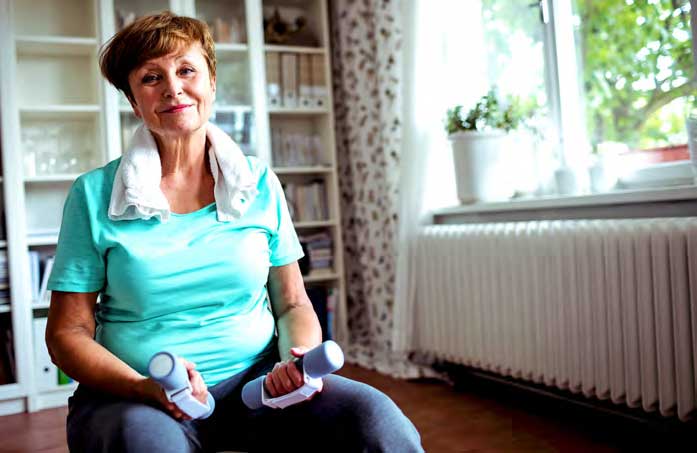
Retired woman working out

Exercise Safely at Home!

Are you bored with those 4 walls? Get some pep in your step. Start your own stay-at-home exercise program. Moving your muscles and joints will improve your attitude. A hormone called endorphins is released in your body naturally when you exercise. Endorphins actually cheer you up and lift your spirits. Bodies in motion are stronger, more flexible, experience less pain, burn unwanted calories, and maintain better balance for fall prevention and more endurance.
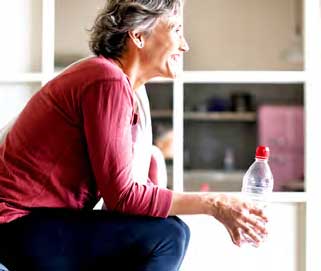
Retired woman post-workout. Safety is the utmost concern in your exercise program. If you are new to exercise, start slow, limit your first week to about 15 minutes at a time whether you are walking or following an exercise program. If you feel short of breathe slow down or stop altogether to restore your normal breath rate. You know if you are working hard enough if you are breathing a little faster but can still carry a normal conversation. If you feel light-headed or dizzy, sit down immediately. If you experience chest pain, or other sharp pain different from the usual ache, dizziness lasting more than fifteen minutes, difficulty breathing or other serious symptoms, get assistance immediately. Keep a phone nearby for emergencies.

A little soreness is normal after exercising but if you are feeling pain more than two hours after you exercise, that is a sign that you have done too much. Next exercise session be a little easier on yourself and don’t push yourself too hard.

When exercising with Live TV Channel 10 classes, gather your equipment before the class starts. Use a sturdy chair, like a wooden dining room chair, not a desk chair with wheels or a flexible back and definitely not a “lazy-boy.”
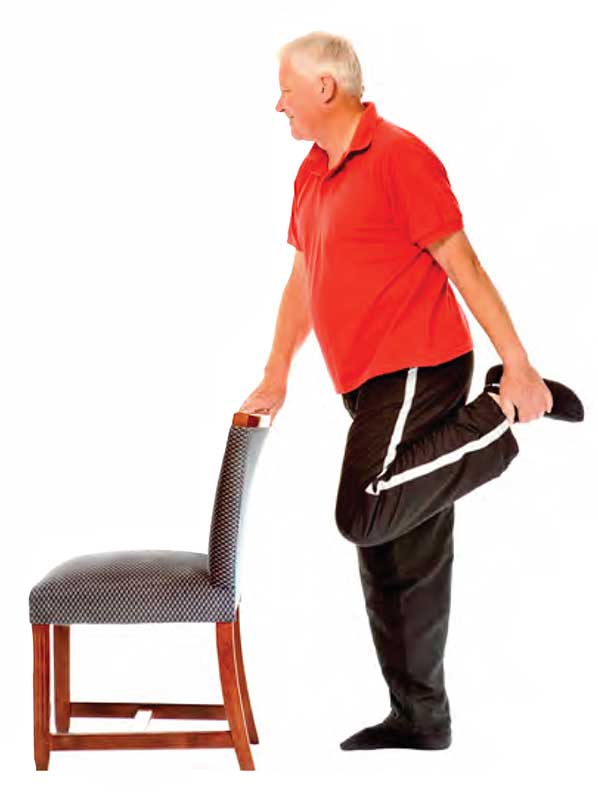
Retired man streching Wear comfortable clothes that do not bind and sturdy shoes to give your feet good support (no sandals or flip-flops or high heels). When doing standing exercises, be sure the floor is not slippery and you are within an arm’s length to the back of the chair. A hand on the back of the chair can be useful for balance support for any standing exercise. On days you cannot trust your balance stay seated in the chair to exercise. Keep a bottle or glass of water nearby to stay hydrated through your class. If it hurts don’t do it or at least modify it to make it comfortable for you.

Yoga Stretch is offered on Monday and Wednesday at 12:45 pm and Sit and Stand class is at 11:00 am on Tuesday and Thursdays. Give those classes a try or go by the Oasis and pick up a sheet of safe and easy exercises you can do at home. The Oasis is still open and equipment is deep cleaned twice daily. Use of Disinfecting wipes before and after you use the equipment as recommended.

For more safe exercise ideas check with Mary Hand in the Oasis.

National Nurses Week

National Nurses WeekNational Nurses Week was first observed in October 1954, the 100th anniversary of Florence Nightingale’s mission to Crimea. The English nurse became known as the founder of professional nursing, because of her pioneering work during the Crimean War (1853-1856).
Due to her habit of making rounds at night, Nightingale became known as “The Lady with the Lamp”. May 6 was introduced as the official date for the observance in 1982.

May 12, the final day of National Nurses Week, is the birthday of Florence Nightingale (1820-1910).


Resident Spotlight: Lea Koonce


Lea Koonce, Kirby Pines resident

A HEART OF GOLD

Imagine riding in a one-engine plane with your 70-year-old mother who had just received her license to fly! Such were the experiences of Lea Koonce who grew up as the only child of parents who seemed determined to live life to its fullest. Both parents were professionals as well as artists and collectors. Her mother was an accountant; her father, an electrical engineer, was also a musician, making many of his instruments. Lea’s childhood was unusual but her underlying belief of helping others came from a sound religious upbringing. She credits her maternal grandmother as the one who instilled the belief in “The Golden Rule”. “Put simply”, says Lea, “I enjoy helping someone if I can”. A close friend has said, “Lea would give you her last dollar if she thought you needed it”.

Lea Anna Koonce was born in Memphis, Tennessee, in July 1953. The family moved to Huntsville, Alabama when she was 5 ½ years old. Her father was employed with a company aligned with the space endeavors originating in Huntsville.

During her childhood, Lea developed a love for animals, especially horses. She had her own horse and enjoyed riding as well as water-skiing and boating. While in high school, Lea did volunteer work with the Police Department. Soon the Police Department organized a program to allow other high school youngsters to ride along with policemen on non-dangerous calls. Lea was instrumental in designing the uniform for the group.

Following graduation from high school in 1971, Lea first attended junior college and then transferred to the University of Alabama at Huntsville. As often happens, she met an attractive, young man in the Air Force. A beautiful wedding occurred and the couple traveled for the next 5 years. While in Washington State, Lea enrolled in cosmetology school and became a hairstylist.

Lea Koonce
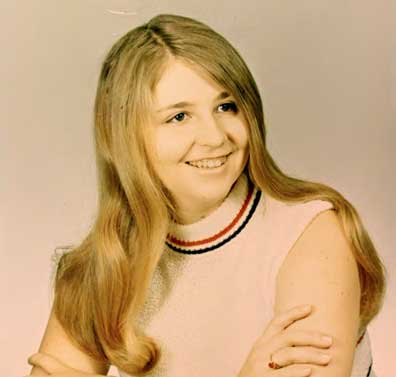
Lea Koonce pictured here in 1971

However, as sometimes happens, the marriage dissolved in 1978 and Lea moved back with her parents until she could become stabilized. During this time she combined hairstyling with other employment. For several years she worked in electronic supply companies, becoming quite adept at making and repairing circuit boards, telephones, etc. She was part of the Quality Assurance Department when she retired.

By 2011, health problems compounded by mobility issues made it necessary for Lea to require a motorized chair for transportation. Her father passed away and it was only Lea and her mother taking care of each other. Then in 2014, Lea’s mother passed away. The extended family (of which there are many) decided that Lea should move to Kirby Pines so she would be closer to them and situated in a place capable of meeting her needs. Lea did not want to come to Kirby Pines. She laughs and says, “I came to Kirby Pines kicking and screaming all the way. Especially, after the first night here, I saw that 7 murders had occurred in Memphis and I wondered ‘what have I got myself into?’ I was ready to go back to Huntsville. I finally realized I was as safe here as anywhere. I love it here now, it is my home”.

Soon after moving to Kirby Pines, Lea realized that she did not need all the paintings and artwork acquired by her parents. She reserved the LCR and displayed all except the one piece she wanted to keep. She invited her extended family to come and select their choice. Although some were quite valuable, she wanted to make sure that they were given to those who would love and treasure them.

Lea’s beautiful crocheted, beaded and cross-stitched work became noticed. Lea had finally found her niche at Kirby Pines. She was invited to share her crochet work with the residents in Job’s Way. This progressed to making pillows, hats for the 4th of July, picture frames and Christmas tree decorations. Slippers were made to give out as Christmas presents to residents in health areas. She eventually extended her visits to The Manor to play games and cards with the residents there. Occasionally, she gets called to help with a project in Assisted Living. Somehow, Lea discovered that several residents were unable to access or read the menus on TV. Now, she handprints the menus and distributes them so that residents will know their weekly menu.

Because of her disabilities, Lea has made it her goal to be able to walk again. She would need a hip and possible knee replacement. To accomplish this, Lea has lost approximately 115 lbs in a little over a year. She has done this with sheer will power!

To sum up the story of Lea, these are her words: “I have been known to encourage a smile rather than a frown. I want to get the Sunshine Group back in action. Perhaps that is why some people jokingly call me ‘trouble’ when they see me coming. I think Roadrunner might fit.”

The hours Lea spends helping others is admirable. She is always doing a favor for someone and she especially sees a need to interact with our fellow residents in the health areas ~~a lesson we could all learn.

Someone has said, “You can’t judge a book by its cover”. Likewise, one must truly look at the heart of an individual to find the gold therein.

Written by Joan Dodson, Resident, Kirby Pines


The Benefits of Walking for Seniors

Experts have said that walking could be the best exercise for seniors; it’s an effective way to reduce the risk for chronic conditions and improve your overall health. Some of the benefits of walking for seniors include:

Improves heart health. For seniors, walking offers numerous heart health benefits. Getting your heart rate up daily leads to a reduction in the risk for high blood pressure and high cholesterol, and even coronary heart disease.

Lowers blood sugar. After eating, taking a 15-minute walk has been shown to reduce the after-eating spike in blood sugar some seniors can experience. Your body is using blood sugar more effectively to strengthen muscles, and insulin works better, too.

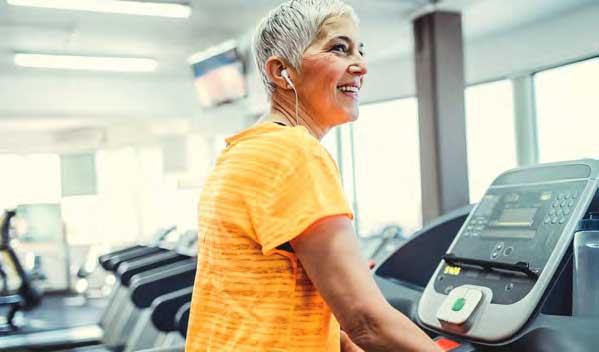
Retired woman on treadmill

Reduces pain. Studies have shown that walking helps reduce some pain due to chronic conditions like arthritis. Some seniors experience lower back pain, and walking even just three times a week for around 20 minutes can help strengthen abdominal and back muscles to decrease chronic back pain.

Low participation cost. After you’ve invested in a good, sturdy pair of shoes, you can walk basically anywhere- for free! When the weather permits, head to the park for a stroll on the path or simply walk around your neighborhood. If it’s too cold or rainy to go outside, head to a shopping mall instead.

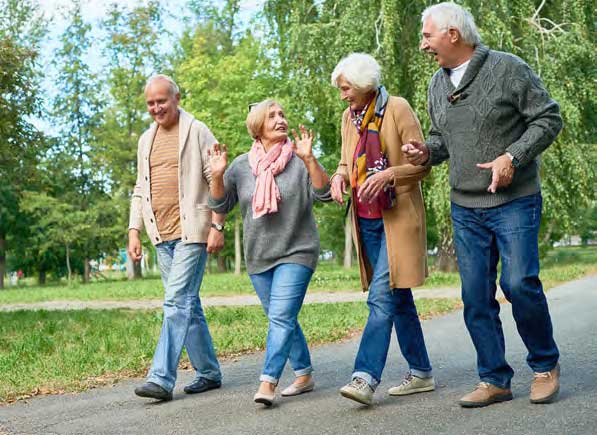
Retired folks walking

Promotes social engagement. Walking offers an easy way for seniors to meet up with others, whether you join a walking group with friends or simply engage with neighbors while out on your daily walk. You can meet new people and enjoy your environment each day.

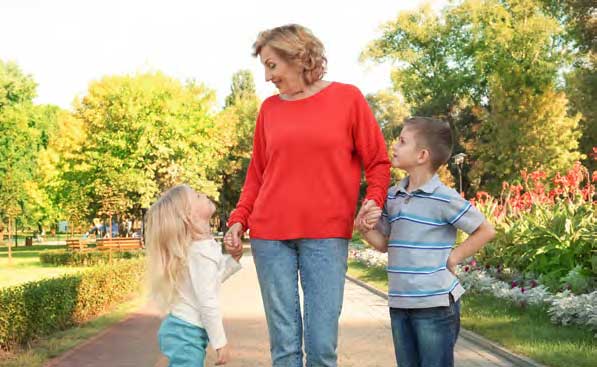
Retired woman walking with her grandchildren

Boosts mental health. A daily walk can help you feel more positive about life. The endorphins released during physical activity create a sense of well-being, reduce anxiety and boost your mood.


Kirby Pines Donates for COVID-19 Relief

On Friday, April 10th, Kirby Pines donated supplies to help coronavirus relief efforts. Here is our video with Jerry Moore of World Ukraine Missions.


This pandemic has only strengthened the Good Samaritan philosophy at Kirby Pines.

“Love the Lord your God with all your heart and with all your soul and with all your strength and with all your mind”; and, “Love your neighbor as yourself”. – Luke 10:25 27

COVID-19Thanks to increasing health precautions such as washing hands frequently, practicing social distances, limiting visitors, and cooperation from residents, families and employees, Kirby Pines does not have any suspected nor confirmed cases of the coronavirus, known as COVID-19 to date.

Our practice of asking a series of questions and taking the temperature of all who ask to gain entrance onto our lush 60-acre campus is working. We all have to continue to cooperate with these measures and others, to stay healthy and make it to the other side of this crisis.

We continue to keep our most vulnerable residents safe, and thus no visitors are allowed at this time in any of our healthcare areas. The use of FaceTime has increased greatly. This method of communication for friend and family interaction and engagement is becoming the new norm for those we serve and care for.

For those in independent apartments or garden homes, very limited visitors are allowed after passing our screening process at the guardhouses. Our in-house television station has enhanced communication regarding spiritual programs, cultural events and overall engagement. This week we added a live morning prayer for our employees, led by house Chaplain, Don Johnson, as well as a live television service for our residents.

Cooperation among residents to practice social distancing has allowed us to gather in groups, although smaller than previously held, and do such things as honor our veterans on the National Vietnam Recognition Day; attend a special four-course meal for two; and even sing along with a resident playing the piano. Our healthcare areas are also assisting residents with cards and photos to be sent to families keeping communication open while staying safe.

Recently we have updated resident profile sheets to ensure we have the contacts each resident wants reached to celebrate a birthday or provide a simple update on how they’re doing.

You too may want to take time to create such a list for your family and friends and even neighbors, should you be asked to help them during this difficult time.

We remain grateful for your prayers, suggestions, and support. We wish you and your family peace and safety during this difficult time. Our thoughts and prayers are with you, our President and our nation.

As things change throughout this trying time, rest assured we will continue to update and inform our residents and employees of any new procedures or developments. For the most up-to-date information, please visit kirbypines.com.


If Not You, Who?

This unique “Parable” applies to more than the situations mentioned. It is all too descriptive of a much larger portion of our life today. Too often we are like the characters in the parable. Our priorities are messed up and we live with feelings we’ve set to an ultra-sensitive level. All too easily we ignore responsibility, shun accountability and rely on others to do the job.

It’s been said there are two kinds of people in the world today: (1) those who are willing to work, and (2) those who are willing to let them. It’s reflected in the 20-80 rule. 20% of the people do all of the work and make 80% of all the sales. Which group will master us?

Can we continue leaving the job to “Nobody.” Dare we any longer stay idle in facing the almost insurmountable obstacles at every level of our culture? Can we continue to leave the future in the hands of leaderless government? Can we allow the rich heritage and foundation of our great country to continue to crumble? Can we remain silent while corruption and crime steal precious values from us? Can we continue to live without vision, still unaware we are rushing toward another Noahic Flood? Can we carelessly close our eyes to the needs of so many around us, especially in their personal relation to God, or lack of it?

Today would be a great time to break the cycle.
Let’s stop being “Somebody, Everybody and Anybody.”
Let’s step up to today’s responsibility.
Let’s strongly embrace this moment’s opportunity.

I Corinthians 15:58 gives us great insight: “Therefore…be steadfast, immovable, always abounding in the work of the Lord, knowing that your labor is not in vain in the Lord.”

Remember, “if not you, who? If not this, what? If not now, when?” If not here, where?

Till next time, Don Johnson, Kirby Pines Chaplain


Curiosity Series: Growing – One Snack At A Time.

Monogram Foods

About Monogram Foods

Founded in 2004 with the purchase of King Cotton and Circle B brand meats from Sara Lee Corporation, Monogram Foods manufactures and markets top-quality food products. Among these are a full range of meat snacks, corn dogs, pre-cooked bacon, smoked sausage, baked goods, appetizers, and other value-added meats. Monogram Foods’ brands include King Cotton, Circle B, Wild Bill’s, O’Brien’s, Trail’s Best, Hannah’s, Bull’s, Snapps and licensed brands, Johnsonville, Butterball and Team Realtree. Monogram Foods is a major co-packer and private label provider for strategic partners throughout the nation. Monogram Foods is headquartered in Memphis, TN and operates facilities in Virginia, Minnesota, Indiana, Iowa, Wisconsin and Massachusetts.

Monogram now has over 3,000 associates nationwide. Next year they project to go over 1 BILLION in sales. Wes Jackson and Karl Schledwitz started in Memphis with eight associates and are still headquartered here now with over 125 local employees, including the sons of residents, Pat Cavender and Margaret Bivens, featured on ours covers. They are privately owned with over 130 shareholders most of whom are from Memphis. They locally own and sell “King Cotton“ meats, a full line of hot dogs, sausages, bacon and luncheon meats and “Circle B“ smoked sausages.

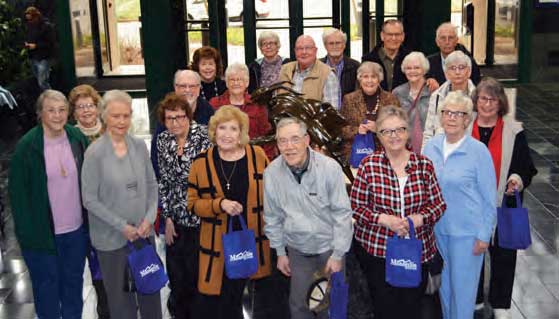
Kirby Pines residents visit Monogram Foods as part of our new Curiosity Series
Kirby Pines residents visit Monogram Foods
as part of our new Curiosity Series

Monogram’s Mission Statement

We are a GROWTH COMPANY that REALLY CARES about our TEAM MEMBERS and CUSTOMERS so we can PROFITABLY grow together.

Monogram’s Valued Behaviors

  1. Gratefully provide best service to our customers
  2. If we say it, we do it
  3. Keep quality and safety at the forefront
  4. Embrace the entrepreneurial spirit
  5. Value candor “done right”
  6. Celebrate our successes
  7. Give back to the communities in which we do business
  8. Promote Positive Energy
  9. Embrace Diversity

Monogram Foods Local Office is at:
530 Oak Court Drive, Suite 400 • Memphis, TN 38117


How Are You Sleeping?


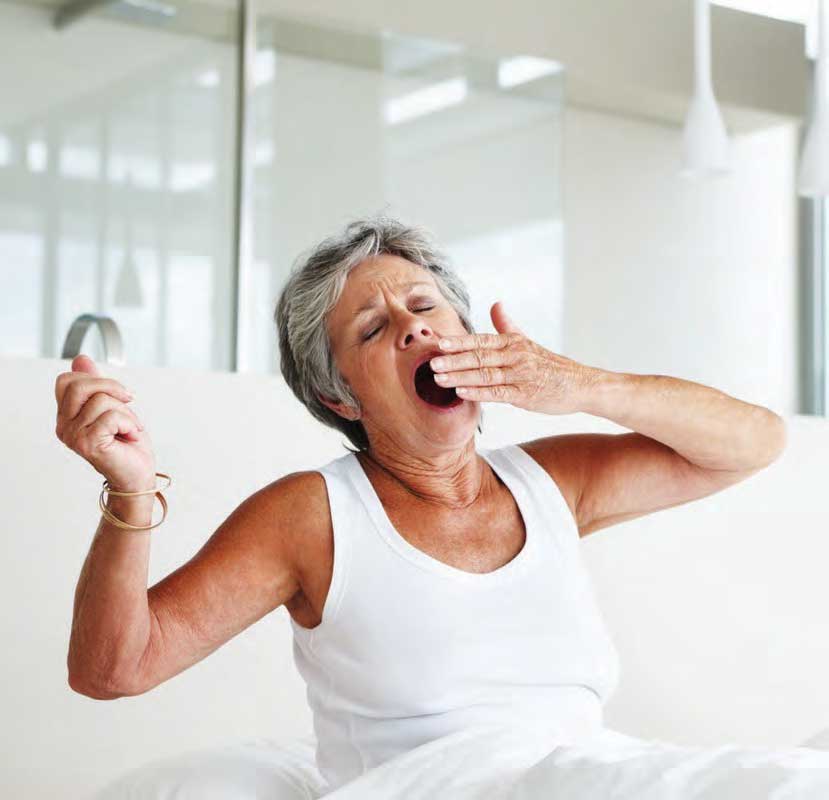
Retired woman waking up and yawning

An average of 7.5 to 9 hours of sleep each night is considered healthy for most adults. Seniors are often unable to sleep this much due to a variety of sleep-related problems. During sleep awareness month, learn what can be done to help seniors establish healthy sleep patterns.

How Aging Affects Sleep

Unfortunately, changes in sleep patterns are a normal part of aging. Many seniors have difficulty falling asleep and staying asleep. In some cases, the challenge is due to a sleeping disorder or the side effect of a medication. However, sleep disturbance in the aging is often just the result of reduced REM sleep. In other words, seniors tend to be lighter sleepers. They wake up more often due to noise, aches, movement, the need to use the bathroom, etc.

Common Sleep Illnesses Seniors Face

For those seniors whose difficulties with sleep result from medical conditions, it is important to receive medical treatment. Encourage sleep-deprived seniors to see the doctor if they experience:

  1. Advanced Sleep Phase Syndrome
  2. Sleep Apnea
  3. Restless Leg Syndrome
  4. Insomnia
  5. Sleep-related side effects of medication
  6. Sleep-related side effects of underlying diseases

Issues like these are often addressed through lifestyle changes or medications. Seniors can consult with their doctor to learn about the best treatment options for their particular problem.

Sleep Awareness Tips for the Aging

These simple tips will help you or the Senior you love make the most out of their sleep routine.

  1. Be Mindful
    Stress, worry, and negative thought patterns can disrupt sleep— even if seniors try to “think positively” right before bed. Since sleep deprivation affects mental health and vice versa, it is important to encourage seniors to develop a healthy response to stress at all hours.
  2. Exercise Regularly
    Physical activity can help the body sleep. Regular exercise also offers health benefits that positively impact sleep, like lower blood pressure, stress relief, and improved breathing.
  3. Form a Bedtime RoutineVintage alarm clock
    Many habits can influence sleep for better or for worse. Lying in bed during the day can disrupt sleep patterns. Watching television or screen time on the phone at night can also delay sleep. Encourage seniors to establish a bedtime routine that includes doing something quiet and relaxing for an hour.
  4. Eat and Drink for Better Sleep
    Sometimes seniors drink alcohol before bed because it makes them sleepy. However, alcohol tends to wake people up in the middle of the night and reduce REM sleep cycles. Food does the same. Seniors should avoid eating food or drinking alcohol for 2-3 hours before bedtime.

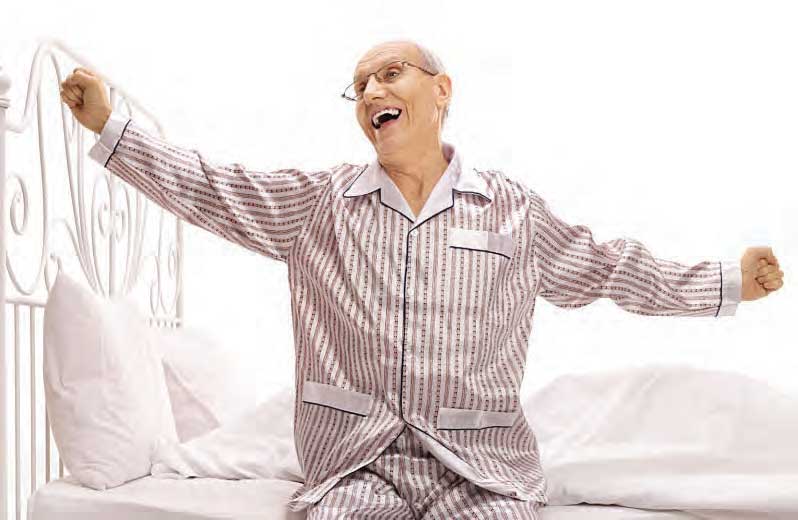
Retired man waking up and stretching


Walking is easy to do and offers many benefits:

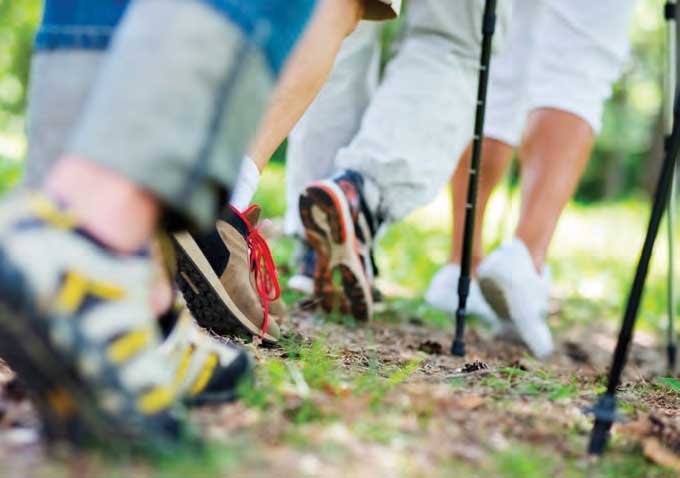
Seniors on a nature hike

What’s not to like about walking? It’s free. It’s easy to do, and it’s easy on the joints. And there’s no question that walking is good for you. Walking is an aerobic exercise; a University of Tennessee study found that women who walked had less body fat than those who didn’t walk. It also lowers the risk of blood clots, since the calf acts as a venous pump, reducing the load on the heart. Walking is good for you in other ways as well.

  1. Walking improves circulation. It also wards off heart disease, brings up the heart rate, lowers blood pressure and strengthens the heart. Studies at the University of Colorado at Boulder and the University of Tennessee found that post-menopausal women who walked just one to two miles a day lowered blood pressure by nearly 11 points in 24 weeks. Women who walked 30 minutes a day reduced their risk of stroke by 20 percent.
  2. Walking shores up your bones. It can stop the loss of bone mass for those with osteoporosis, according to Michael A. Schwartz, MD, of Plancher Orthopedics & Sports Medicine in New York. In fact, a study of postmenopausal women found that 30 minutes of walking each day reduced their risk of hip fractures by 40 percent.
  3. Walking lightens mood. A California State University study showed that the more steps people took during the day, the better their moods were. Why? Walking releases natural painkilling endorphins to the body – one of the emotional benefits of exercise.
  4. Walking can lead to weight loss. A brisk 30-minute walk burns 200 calories. Over time, calories burned can lead to pounds dropped.
  5. Walking strengthens muscles. It tones your leg and abdominal muscles – and even arm muscles if you pump them as you walk. This increases your range of motion, shifting the pressure and weight from your joints and muscles – which are meant to handle weight – helping to lessen arthritis pain.
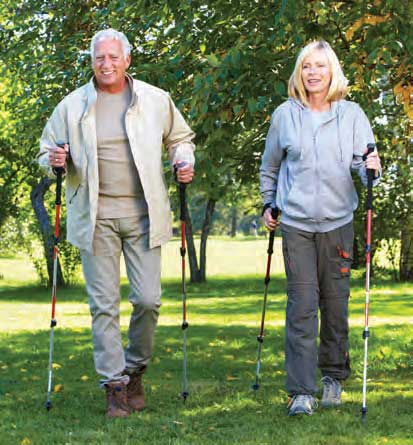
  6. Walking improves sleep. A study from the Fred Hutchinson Cancer Research Center in Seattle found that women, ages 50 to 75, who took one-hour morning walks, were more likely to relieve insomnia than women who didn’t walk.Senior couple on a nature hike
  7. Walking supports your joints. The majority of joint cartilage has no direct blood supply. It gets its nutrition from synovial or joint fluid that circulates as we move. Impact that comes from movement or compression, such as walking, “squishes” the cartilage, bringing oxygen and nutrients into the area. If you don’t walk, joints are deprived of life-giving fluid, which can speed deterioration.
  8. Walking improves your breath. When walking, your breathing rate increases, causing oxygen to travel faster through bloodstream, helping to eliminate waste products and improve your energy level and the ability to heal.
  9. Walking slows mental decline. A study of 6,000 women, ages 65 and older, performed by researchers at the University of California, found that age-related memory decline was lower in those who walked more. The women walking 2.5 miles per day had a 17-percent decline in memory, as opposed to a 25-percent decline in women who walked less than a half-mile per week.
  10. Walking helps you do more, longer. Aerobic walking and resistance exercise programs may reduce the incidence of disability in the activities of daily living of people who are older than 65 and have symptomatic OA, shows a study published in the Journal of Clinical Outcomes Management.