
10 HEALTHY EATING TIPS FOR PEOPLE AGE 65+
Making healthy food choices is a smart thing to do—no matter how old you are! Your body changes through your 60s, 70s, 80s, and beyond. Food provides nutrients you need as you age. Use these tips to choose foods for better health at each stage of life.
- Drink plenty of liquids. With age, you may lose some of your sense of thirst. Drink water often. Lowfat or fat-free milk or 100% juice also helps you stay hydrated. Limit beverages that have lots of added sugars or salt. Learn which liquids are better choices.
- Make eating a social event. Meals are more enjoyable when you eat with others. Invite a friend to join you or take part in a potluck at least twice a week. A senior center or place of worship may offer meals that are shared with others. There are many ways to make mealtimes pleasing.
- Plan healthy meals. Find trusted nutrition information from ChooseMyPlate.gov and the National Institute on Aging. Get advice on what to eat, how much to eat, and which foods to choose, all based on the Dietary Guidelines for Americans. Find sensible, flexible ways to choose and prepare tasty meals so you can eat foods you need.
- Know how much to eat. Learn to recognize how much to eat so you can control portion size. MyPlate’s SuperTracker shows amounts of food you need. When eating out, pack part of your meal to eat later. One restaurant dish might be enough for two meals or more.
- Vary your vegetables. Include a variety of different colored vegetables to brighten your plate. Most vegetables are a low-calorie source of nutrients. Vegetables are also a good source of fiber.
- Eat for your teeth and gums. Many people find that their teeth and gums change as they age. People with dental problems sometimes find it hard to chew fruits, vegetables, or meats. Don’t miss out on needed nutrients! Eating softer foods can help. Try cooked or canned foods like unsweetened fruit, low-sodium soups, or canned tuna.
- Use herbs and spices. Foods may seem to lose their flavor as you age. If favorite dishes taste different, it may not be the cook! Maybe your sense of smell, sense of taste, or both have changed. Medicines may also change how foods taste. Add flavor to your meals with herbs and spices.
- Keep food safe. Don’t take a chance with your health. A food-related illness can be life-threatening for an older person. Throw out food that might not be safe. Avoid certain foods that are always risky for an older person, such as unpasteurized dairy foods. Other foods can be harmful to you when they are raw or undercooked, such as eggs, sprouts, fish, shellfish, meat, or poultry.
- Read the Nutrition Facts label. Make the right choices when buying food. Pay attention to important nutrients to know as well as calories, fats, sodium, and the rest of the Nutrition Facts label. Ask your doctor if there are ingredients and nutrients you might need to limit or to increase.
- Ask your doctor about vitamins or supplements. Food is the best way to get the nutrients you need. Should you take vitamins or other pills or powders with herbs and minerals? These are called dietary supplements. Your doctor will know if you need them. More may not be better. Some can interfere with your medicines or affect your medical conditions.

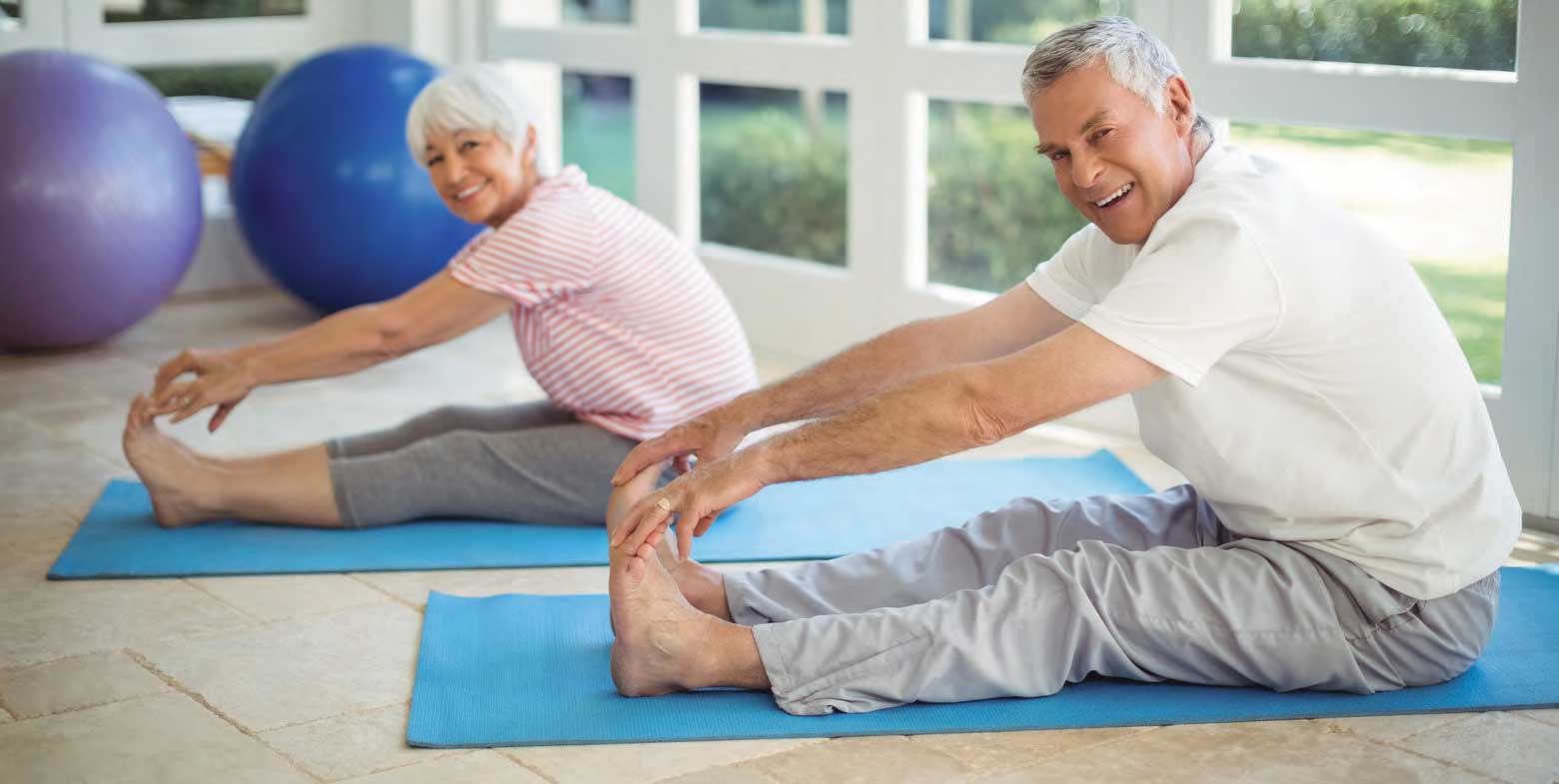
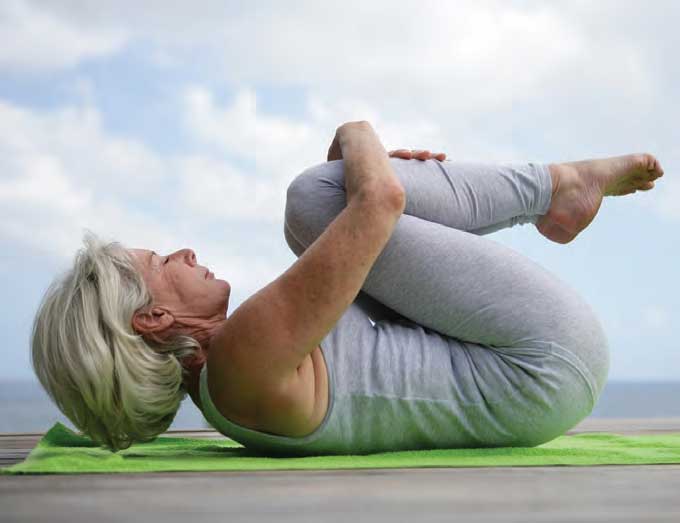 There are several factors that predispose us to have altered posture as we age and each will be considered. But before mentioning each factor, it is important to know that our bones, muscles, and joints are all part of the musculoskeletal system that defines our posture. The backbone or vertebral column is made up of the bones (called vertebra), joint-like spaces called intervertebral discs, and muscles. Age has a pronounced effect on all three and over time the back tends to curve forward resulting in an increasingly stooped posture.
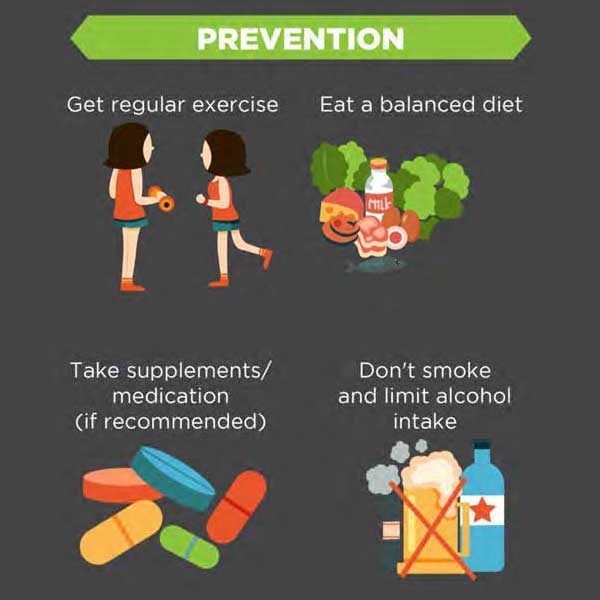
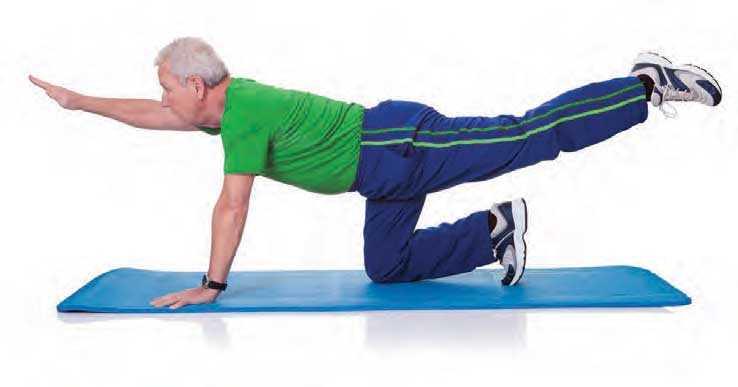 As with most age-related changes, there are things that we can do to prevent or delay the changes. The list below shows factors that we choose and which can improve our posture. Most of the factors are self-explanatory and well known to readers of this column. Exercise is by far the most important factor in maintaining a younger posture because it improves the bone and muscle functions that are essential in maintaining musculoskeletal health. The last item, paying attention to erect posture and not slumping, is easier said than done. One must be mindful of proper carriage.
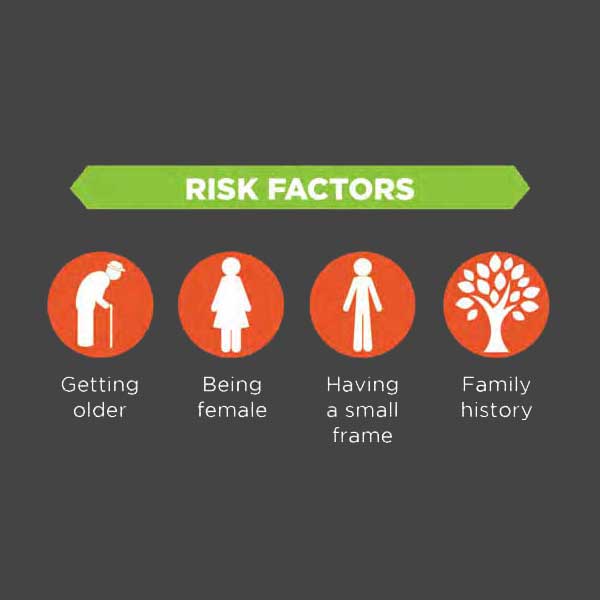
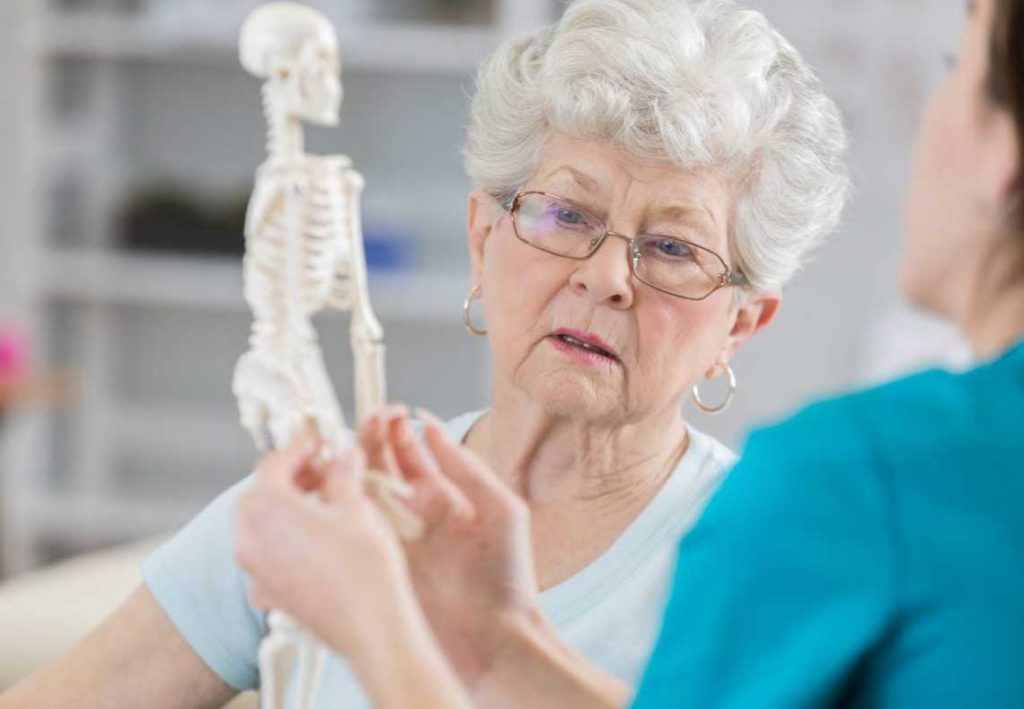 Risk factors of osteoporosis include gender, race and age. Being female, of Caucasian or Asian descent and older in age all increase the risk of osteoporosis. Family history of osteoporosis and/or personal history of broken bones also play a role. Those that have lower levels of hormones such as estrogen or testosterone or low vitamin D and calcium intake are also at risk. Long-term use of tobacco, alcohol and some medications can also place individuals at a greater risk for osteoporosis.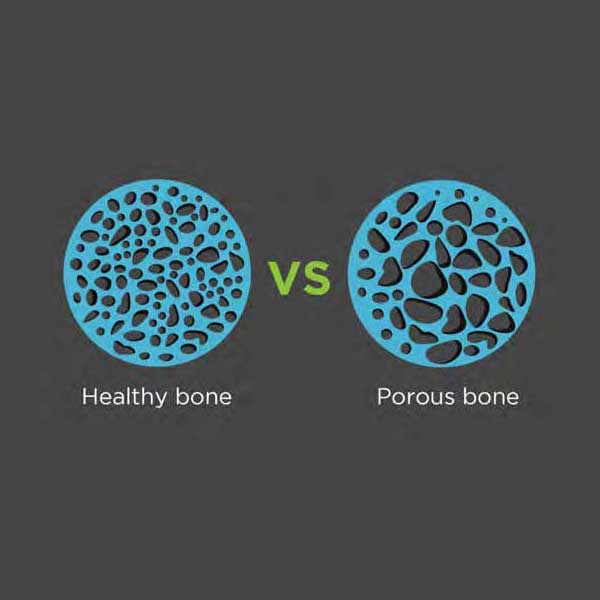

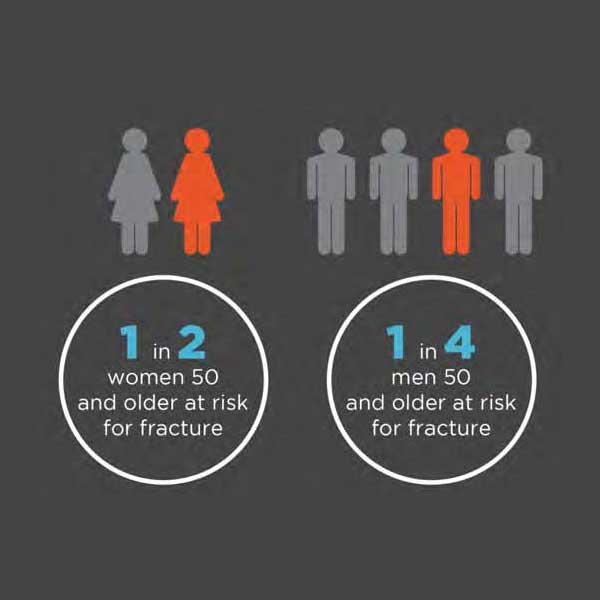
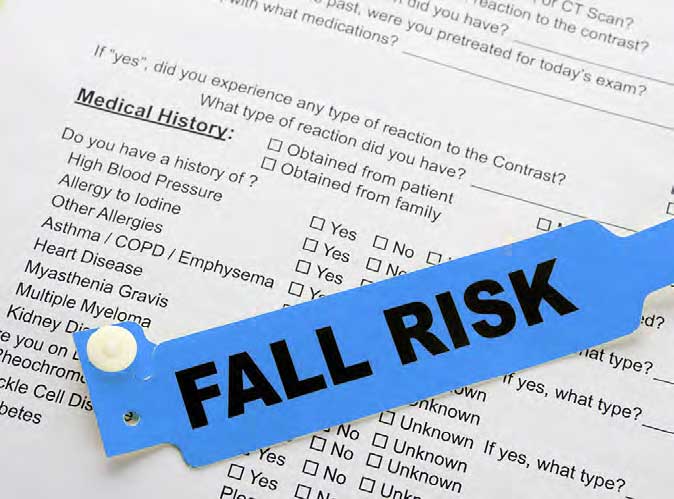 One out of three older adults (those aged 65 or older) falls each year, but less than half talk to their healthcare providers about it. If you have a fall or incident, you want to report it to your healthcare provider because it may be an indication of larger problems or issues. Many people who fall, even if they are not injured, develop a fear of falling. This fear may cause them to limit their activities, which leads to reduced mobility and loss of physical fitness, and in turn, increases their actual risk of falling.
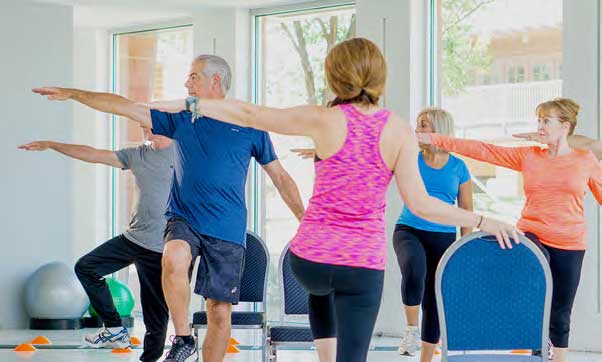 There are many ways to prevent falls from happening. Exercise regularly, it is important that the exercises focus on increasing leg strength and improving balance, and that they get more challenging over time. You want to ask your doctor/pharmacist to review your medications. They can identify what medicines may cause side effects such as dizziness or drowsiness. Making your home safer can reduce and tripping hazards. Be sure to add grab bars wherever needed, improve the lighting in your home, repair or remove lose carpets, and you want to be sure to rearrange any furniture and electrical cords that may be in walking paths. Lastly, you want to always take care of yourself and live a healthy lifestyle. You want to have regular vision and hearing checkups, get adequate amounts of vitamin D and calcium, exercise regularly and eat a healthy, well-balanced diet. Preventing falls can help you live a more independent life. If you can prevent a fall you are less likely to have an injury that can prevent you from carrying on your daily activities, such as bathing, cooking, shopping, or just going for a walk.
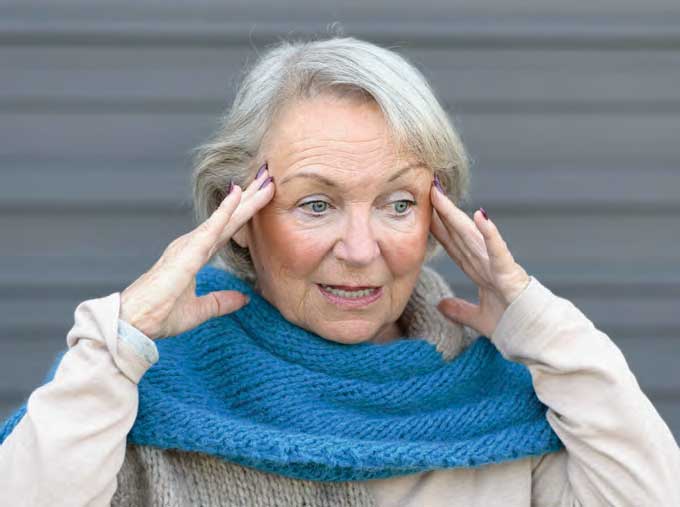 Knowing the signs of a stroke is the first step in stroke prevention. A stroke is sometimes called a “brain attack”, it occurs when blood flow to an area of the brain is cut off. The brain cells become deprived of the oxygen and glucose needed to survive which causes them to die.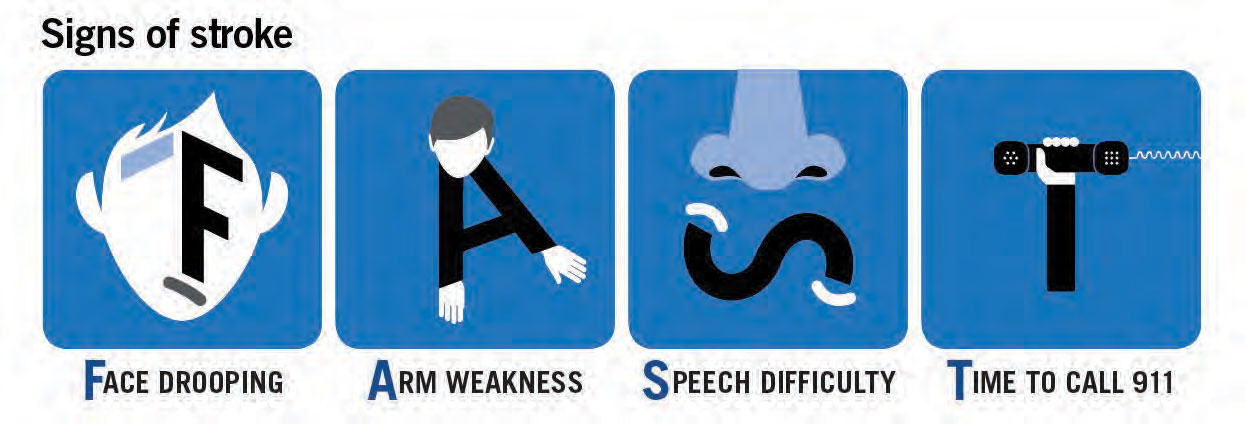

 Some common reasons that cause sleep problems with age include poor sleep habits. When one does not keep a schedule for going to bed and waking up, it can affect your body’s internal clock and make it even harder to get good sleep. At any age, drinking alcohol before bedtime, napping too much, or staying in bed when you are not sleeping can make it difficult to get good sleep. Worry, stress, or grief, which all comes with aging and its life changes, can all alter your sleep patterns. Sleep disorders can be a reason for one’s sleeping problems. Insomnia and disrupted sleep in elderly people are a common side effect caused by many chronic medical conditions such as arthritis, congestive heart failure, and depression. Respiratory disorders, such as sleep apnea, which cause multiple arousals during the night, also become more common as people age. Unfortunately, sleep problems in older adults often go undiagnosed and untreated simply because many people believe sleep problems are a normal part of aging or that nothing can be done to help them sleep better. Thankfully, treating any underlying medical disorders can dramatically improve sleep.
 Do you often feel like you are tired or just don’t have the energy to do something you would like to? You are not alone. Many people report experiencing this issue, especially as they age, or with changes in the weather. The good news is, there are some things that can be done to increase your energy levels.
 If you feel your lack of energy is causing you to be unbalanced or if you feel it prevents you from doing your daily tasks safely, therapy is another great option for you. Therapists can help you work toward more normal levels of energy while making sure you are safe and progressing toward your goals.
 Hypertension, or high blood pressure, is the single most significant risk factor for heart disease. It’s sometimes called “the silent killer” because it has no symptoms. One in three American adults has high blood pressure, yet about 21% don’t even know they have it. Of those with high blood pressure, 69% are receiving treatment, but only 45% have their blood pressure controlled.
 The evidence is clear: people who exercise have better health than those who do not. A recent American Heart Association survey shows that fewer than two out of every ten Americans get the recommended 150 minutes or more of moderate physical activity each week.
 Eating for good health means choosing lots of fruits and vegetables, whole-grain carbohydrates, and fat-free or low-fat dairy products. You might have to train yourself to avoid foods and drinks with high sodium or added sugar. Another perhaps surprising part of healthy eating is to regularly include fish rich in Omega-3’s. It’s great for your heart and your brain.
 Everyone has cholesterol. It’s the waxy substance in your bloodstream and cells. Some cholesterol is important for good health, but too much cholesterol in your blood puts you at major risk for heart disease and stroke. When too much LDL (or bad) cholesterol circulates in the blood, it can slowly build up inside the walls of your arteries that feed your heart and brain. Cholesterol particles combine with other substances in your blood to form plaque. This can narrow the arteries and make them less flexible, putting you at major risk for heart disease and stroke.
 Your digestion turns all carbohydrates into sugar or glucose which is then carried throughout your bloodstream to give you energy. Complex carbohydrates like whole-wheat breads and grains, and fruits and vegetables take longer to digest, helping to keep your energy supply steady. But simple sugars, like sweets, donuts, and white bread are very quickly converted into glucose, which can cause your body to call for extra surges of a hormone, insulin, to help regulate the energy supply. If your blood sugar is high, as often happens when you maintain a diet with too many simple carbohydrates, there will be a growth of plaque in your arteries. Diabetes is treatable but very dangerous and can often lead to heart disease and stroke. Even if you don’t have diabetes, you need to know your blood sugar level. Be sure to get a blood sugar level test after fasting at least every three years, because controlling glucose is an important part of stopping heart disease before it starts.
 Even if you’ve smoked for years, your body can start the repair process as soon as you stop. If you’re ready to start your plan for smoke-free health, it’s a good idea to talk with your healthcare provider. Medication can be helpful for some people during the kick-the-habit phase and research shows combining medical and behavioral therapies can increase success rates.

 © 2026 Kirby Pines LifeCare Community. All Rights Reserved |