
Getting over the hurdles together

Staying fit is vital for people of all ages especially seniors. Exercise increases flexibility, reduces pain and joint stiffness, improves balance and mobility along with strengthening, and weight control and lifts your spirit. To help you overcome some common excuses for skipping exercise, here are some helpful ideas from the Arthritis Foundation. Always check with your physician before starting a new exercise regimen.
Excuse #1: “I have no time to work out.” One thing about Kirby Pines is that there is always something to do here which can usurp time for exercise, Health experts recommend 5 times per week for a minimum of 30 minutes; that’s only 150 minutes weekly. Exercise classes are offered 5 days a week with lots of variety and the Oasis is open 24/7 for equipment workouts. Walk a few extra halls around Kirby Pines for a quick stroll at lunchtime, it all adds up.”
Excuse #2: “I’m in too much pain.” When you’re hurting already, it’s difficult to find the motivation to move. But mild activity can help to ease the ache. Before you try to exercise, listen to your body. Low impact exercise like water walking can take the pressure off your joints. If you use pain medication, choose a time to exercise when your meds are working at their best. Remember to always warm up to prepare the muscles. “You may literally want to use a heating pad to loosen up your muscles and ease the stiffness then follow that with 10 minutes of basic stretching.”
Excuse #3: “Working out is boring.” The key to sticking with an exercise program is finding something that you enjoy. Ask a friend or spouse to join you making exercise a social event. Another person will keep you accountable and less likely to skip. If your pals aren’t interested, check out the group exercise classes offered here at Kirby Pines. Put some variety in your program.
Excuse #4: “I don’t need to lose weight.” Exercise is more than simply losing weight. In addition to fending off disease — including cancer, diabetes, dementia and osteoporosis, but it can also improve your life on a day-to-day basis. Working out makes you happier, less stressed and more productive, And regular movement helps ease daily tasks by strengthening muscles and ligaments around the joint.
Excuse #5: “I’m too self-conscious.” Feeling embarrassed or intimidated is common barrier to exercise. Begin a walking program with your doctor’s approval. Sit and observe before joining the class helps build confidence. Ask the instructor about the class. For water aerobics, putting on your bathing suit is the most challenging part of the class. Whatever you decide, just get started.
Excuse #6: “It’s been so long since I’ve exercised –I don’t know where to begin!” Start simple and easy. You can walk any time and it requires no special equipment. In the beginning, limit your exercise to 15 minutes and gradually add 5 minutes to your workout. Make an appointment with Mary in the Oasis and get a refresher course on using the Nustep or Stationary Bike. Try one of the exercise classes. Yoga stretch and Tai Chi are good for starters.
Excuse #7: “I’ll start tomorrow.” Make an appointment to exercise. Mark it on the calendar: date and time. Seeing your accomplishments in writing inspires more accomplishments. Make a date to walk or go to class with a friend, so you won’t back out. Spend time with people who are already exercising regularly. Set attainable goals like walking so many steps each day or exercising a certain amount each week. Reward yourself when you meet your goal with something healthy like new walking shoes or a pedicure and you will be more inspired to keep moving and develop a healthier lifestyle.
“It’s not the finish line that matters; It’s having the courage to start.”
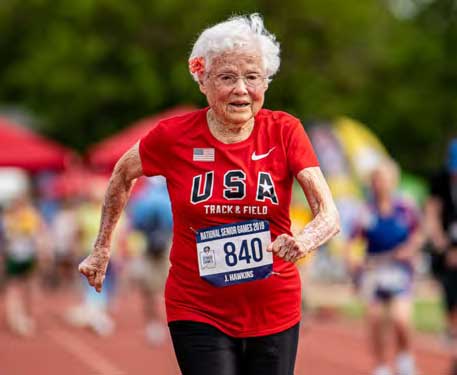
Julia “Hurricane” Hawkins is 103 and just ran the 100-meter dash. Her life
advice? “Look for magic moments.” She started running at 100 years old.
 Lift up a glass of ice cold lemonade and drink to a healthier summer. Hydration for seniors is so important, especially as the temperature rises.

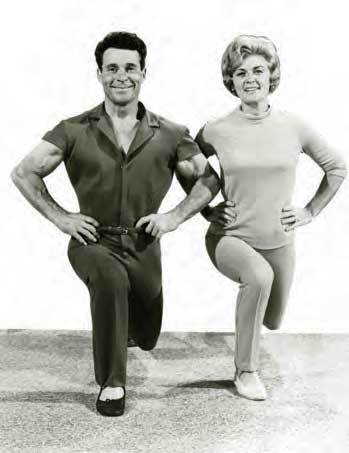
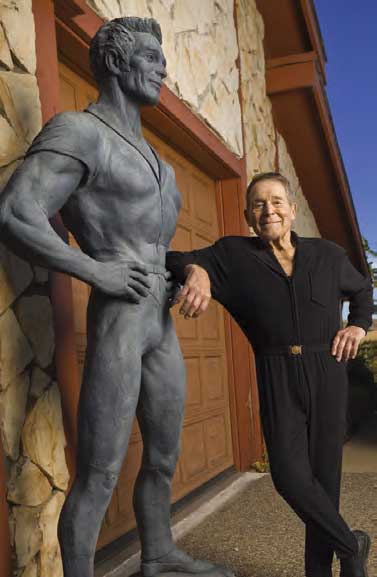 Jack LaLanne born in 1914 was a nationally acclaimed innovator of exercise and nutrition. At first doctors thought he was a charlatan, but “Time has proven that what I was doing was scientifically correct; starting with a healthy diet followed by systematic exercise and today everyone knows it.” He was the first to include weight training for athletes, women, and seniors. LaLanne radically changed sports training. He had the first televised exercise program long before Jane Fonda and Richard Simmons. Jack also combined good nutrition with exercise, and his famous juicer was an important feature in his exercise program. Jack motivated millions throughout his 70-year career to improve their lives by improving their health. As an expert on exercise and nutrition, Jack promoted living long through a healthy lifestyle, by “helping people to help themselves feel better, look better, and live longer.” His last book, LIVE YOUNG FOREVER – is critically acclaimed as his best book.
 With more than 12 exercise classes offered each week for the residents and the Oasis open 24 hours with its exercise equipment to build strength and endurance, every resident should be able to find an exercise program to meet their abilities and needs. Mary Hand is available Monday through Thursday to assist you with developing a program right for you. Jason Sparrow and the Physical Therapy Department are available for consultation and physical therapy for anyone who has a question about where they should begin. Of course, consulting with your primary care doctor is important for individuals new to exercise.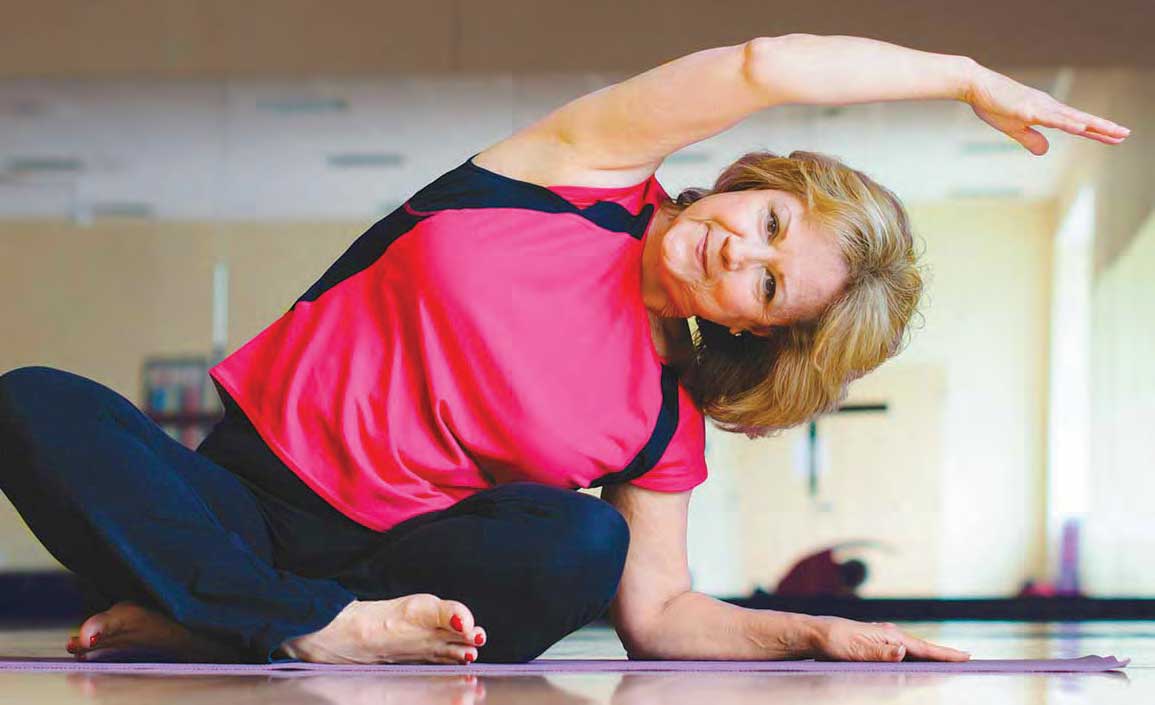






 © 2026 Kirby Pines LifeCare Community. All Rights Reserved |