
Overview
During this challenging time, you may find yourself spending most of your time at home alone. While it may be necessary for your health, it can also have negative impacts on your mental health and physical activity. Loneliness and isolation are associated with increased rates of depression, a weakened immune system, heart disease, and dementia. We know how important staying active and social is, especially during these times, so let’s talk about home alternatives to help everyone stay healthy in both mind and body!

Staying Physically Active
Regular physical activity benefits both the mind and body. It can improve mental health, reduce the risk for depression, cognitive decline, and delay the onset of dementia.
What can you do?
- Home Exercise Programs – Talk with your Wellness Coordinator or Therapy Team about exercises that are safe to do in the privacy of your own home. Learn the best exercises for you based on your current fitness levels.
- Virtual Workouts – There are a ton of resources and streaming services that offer video workouts. Try searching YouTube or other health and fitness apps to find a workout that is best for you. Please consult with your Wellness Coordinator or Therapy Team prior to participating in an online workout. We want to make sure you choose videos that are safe and appropriate for your fitness level!
- Set up a Routine – Even though you are not getting out and about like you used to, it may be helpful to set a schedule and include physical activity. By carving out a specific time each day to exercise, you are more likely to stick to it!
- “Partner” Workouts – Think of different ways you can a friend can work out “together” without actually being in the same room. For example, you can open your doorway and exercise with your neighbor from across the hall. Or, you can FaceTime or Skype a friend and complete a workout together.
- Reduce Time Spent Sitting – Take short 3-5 minute breaks every 20-30 minutes. Whether you are working, watching TV, or reading a book, set a timer and get up and stretch periodically. If you are able, take a quick walk around your house or outside.

Staying Socially Active
Spending days or weeks at home can take a toll on someone’s mental health. When people are asked to stay home, they are likely cut off from their regular routines. This can cause stress due to a drop in meaningful activities, social engagement, and a lack of common coping strategies likely going to an exercise class or attending religious services.
During isolation, it is common to experience:
- Fear
- Anxiety
- Depression
- Boredom
- Anger
- Frustration or Irritability
How to Cope:
- Stay Virtually Connected – Use phone calls, text messages, video chat or social media to connect with family, friends and loved ones.
- Virtual Gatherings – Take your video chats one step further and plan a “game night” or a “family meal” with your loved ones. Gather around the table virtually and share stories, memories, and laughs.
- Reach Out to Old Friends – This is the perfect time to catch up with someone you haven’t spoken to in a while.
- Support Others – Supporting others can be beneficial to the people you are supporting, but also to you. Some examples of this might be dropping off food or care packages to a friend in need, providing information or advice to a concerned family member, or providing emotional support to someone.
- Read a Book – Read a book over the phone or through video chat to a grandchild or family friend.
- “Neighbor” Chats – Sit in the doorway and chat across the hall with a friend (just make sure you are 6 feet apart or more!).



 The Lucy Lopers
 The Chippers
 The Maxwell Ramblers
 Michael Escamilla,



 There are many different “healthy” ways to deal with stress. These are a few of the more common tools that people find useful when managing stress.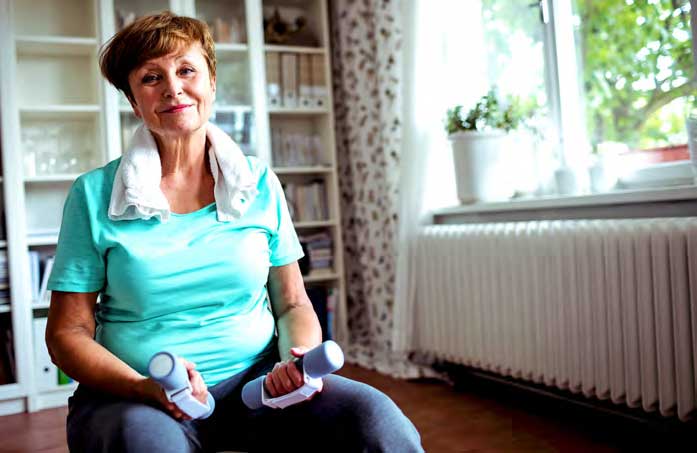
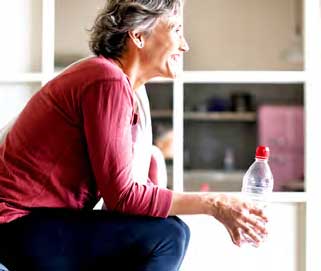 Safety is the utmost concern in your exercise program. If you are new to exercise, start slow, limit your first week to about 15 minutes at a time whether you are walking or following an exercise program. If you feel short of breathe slow down or stop altogether to restore your normal breath rate. You know if you are working hard enough if you are breathing a little faster but can still carry a normal conversation. If you feel light-headed or dizzy, sit down immediately. If you experience chest pain, or other sharp pain different from the usual ache, dizziness lasting more than fifteen minutes, difficulty breathing or other serious symptoms, get assistance immediately. Keep a phone nearby for emergencies.
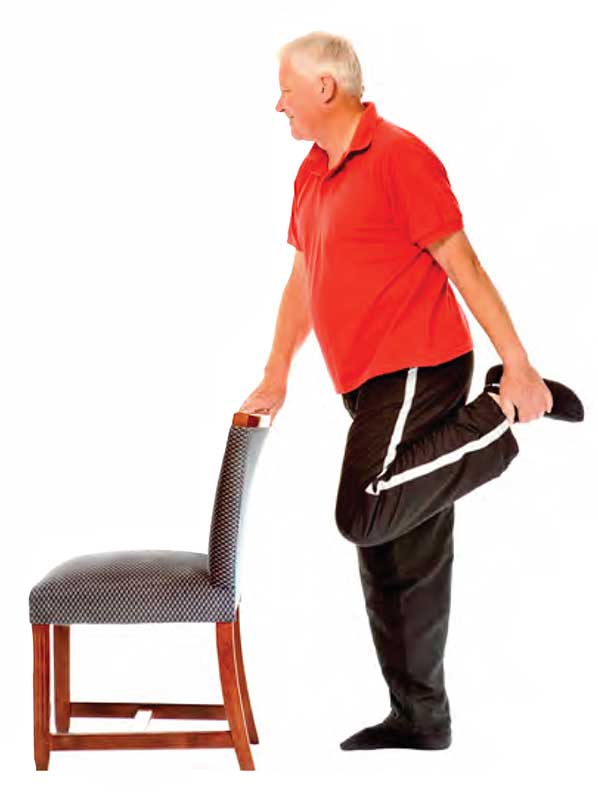 Wear comfortable clothes that do not bind and sturdy shoes to give your feet good support (no sandals or flip-flops or high heels). When doing standing exercises, be sure the floor is not slippery and you are within an arm’s length to the back of the chair. A hand on the back of the chair can be useful for balance support for any standing exercise. On days you cannot trust your balance stay seated in the chair to exercise. Keep a bottle or glass of water nearby to stay hydrated through your class. If it hurts don’t do it or at least modify it to make it comfortable for you.
 National Nurses Week was first observed in October 1954, the 100th anniversary of Florence Nightingale’s mission to Crimea. The English nurse became known as the founder of professional nursing, because of her pioneering work during the Crimean War (1853-1856).

 © 2026 Kirby Pines LifeCare Community. All Rights Reserved |